Stopping Common Plumbing Issues in Your Home: Specialist Advice
Schedule A ServiceWere you on the lookout for facts and techniques involving 6 Common Plumbing Problems and How to Fix Them?
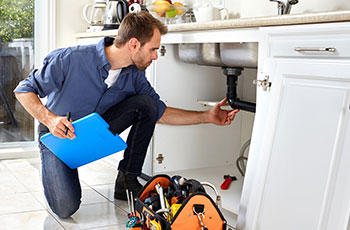
Introduction
Preserving a functional plumbing system is essential for a comfy home. By taking safety nets, you can prevent typical plumbing concerns that may disrupt your life and incur expensive repair work.
Display Water Pressure
Watch on your water stress to stop stress and anxiety on your pipes and devices. High water stress can result in leakages and damage with time. Take into consideration setting up a stress regulatory authority to keep ideal water stress throughout your home.
Inform Home Members
Educate everyone in your household regarding proper plumbing practices. Educate them what should and should not be flushed or gotten rid of away to stop preventable plumbing problems.
Secure Pipes from Cold
During winter, take steps to prevent your pipelines from freezing. Insulate revealed pipes, particularly those in unheated areas like cellars and attics. Allow taps to trickle throughout freezing temperature levels to stop water from freezing in the pipes.
Address Leaks Immediately
Deal with any type of leakages or trickles as soon as you notice them. Even small leakages can drainage and trigger damages to your home over time. Tighten loose installations or replace damaged seals to prevent leaks from intensifying.
Routine Maintenance Checks
Regularly evaluating your plumbing system is important for identifying potential concerns prior to they rise. Examine pipes, taps, bathrooms, and appliances for leakages, rust, or indications of damage.
Watch What You Flush
Bear in mind what you purge down your bathrooms. Prevent flushing products such as wipes, cotton balls, hygienic items, and paper towels, as these can trigger clogs and back-ups in your pipes.
Appropriate Disposal of Grease and Food Waste
Dispose of oil, oils, and food scraps effectively to avoid buildup in your pipelines. Stay clear of pouring oil down the tubes, as it can strengthen and cause blockages. Utilize a filter in your cooking area sink to capture food bits and empty it regularly.
Be Mild with Plumbing Components
Prevent utilizing extreme force when running plumbing components such as taps and shutoffs. Rough handling can cause deterioration, resulting in leakages and other breakdowns.
Routine Drain Cleansing
Set up normal drain cleansing to stop buildup of hair, soap scum, and various other particles. Make use of a drain snake or enzymatic cleaner to remove blockages and maintain smooth water drainage.
Mount Water Softeners
Take into consideration mounting a water softener if you have difficult water. Hard water can cause mineral build-up in your pipelines and devices, causing lowered water flow and performance.
Final thought
Stopping typical plumbing concerns in your house requires diligence and routine maintenance. By complying with these safety nets, you can make sure that your plumbing system runs efficiently and prevent expensive repair services in the future.
Expert Tips for Preventing Common Plumbing Issues
Keep Drains Clear and Functional
Regularly clean drain covers and hair-catching devices to eliminate debris and prevent buildup. Avoid disposing of grease, oil, or coffee grounds down your drains, as they can congeal and accumulate over time, creating obstructions. Consider using a biodegradable drain cleaner periodically to break down organic matter and maintain clear pipes. Prevent and Identify Leaks Early
Regularly inspect visible plumbing connections, pipes, and fixtures for signs of moisture or corrosion. Fix loose connections or replace damaged components as needed. Install water leak sensors in high-risk areas such as under sinks, near water heaters, and around washing machines to provide early warning of potential leaks. Monitor your water bill for sudden increases in usage, which may indicate a hidden water leak. Protect Plumbing from Freezing Temperatures
Allow faucets to drip slightly during extremely cold weather to prevent freezing and pressure buildup inside the pipes. Seal gaps and openings in walls, doors, and windows near plumbing to prevent drafts from reaching your pipes. Maintain Optimal Water Heater Performance
Schedule annual professional maintenance of your water heater, including checking pressure-relief valves, flushing sediment buildup, and inspecting for corrosion or leaks. Maintain the manufacturer-recommended temperature setting, typically around 120°F (49°C), to optimize energy efficiency and prevent scalding. Consider installing an expansion tank in your system if you have a closed-loop water supply, which prevents excessive pressure buildup and potential water heater failure. https://www.climatecontrolkc.com/blog/plumbing/tips-for-preventing-plumbing-issues/
Do you appreciate reading up on Expert Tips for Preventing Common Plumbing Issues? Try leaving a short review directly below. We'd be pleased to hear your responses about this piece. We hope that you visit us again later on. Make sure you set aside a second to promote this write-up if you liked it. I truly appreciate your readership.
Apply Now